
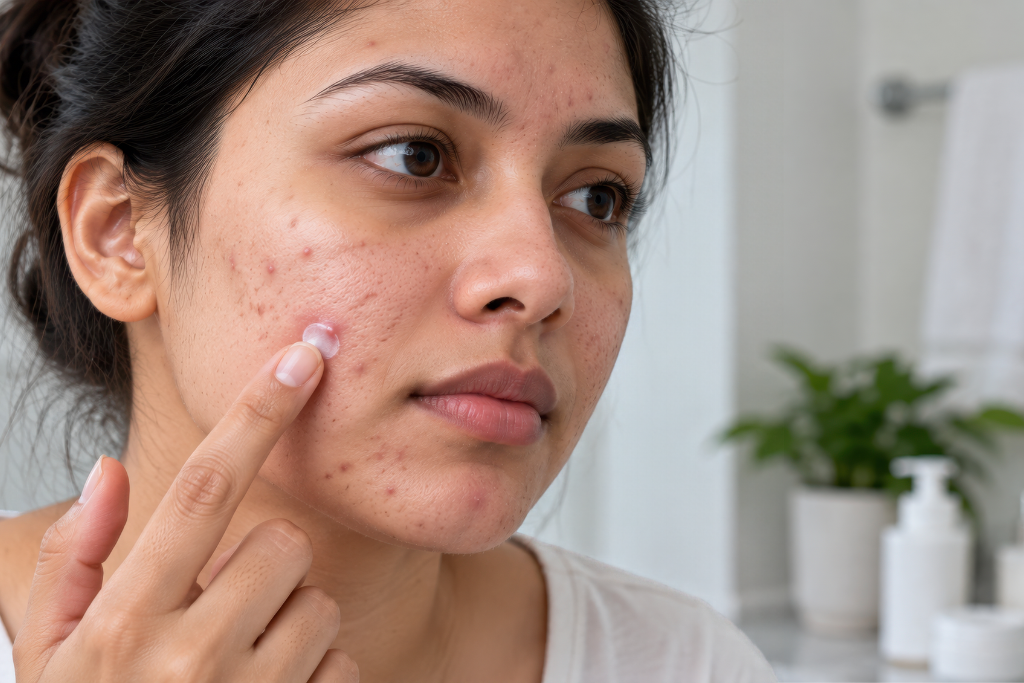
When Should You Visit a Dermatologist for Acne?
Acne is one of the most common skin concerns affecting teenagers and adults. It can appear on the face, forehead, chest, shoulders, and back. While mild acne may improve with a proper skincare routine, persistent or severe acne may require professional treatment.
Many people try different creams, face washes, and home remedies to control acne. However, using the wrong products or delaying treatment can sometimes make the condition worse.
So, when should you visit a dermatologist for acne? Let’s understand the signs and why professional treatment is important.
- When Acne Does Not Improve With Regular Skincare
If your acne does not improve despite following a proper skincare routine or using over-the-counter products, it may be time to consult a dermatologist.
A dermatologist can identify the possible causes of acne and recommend suitable treatment based on your skin type and condition.
- When You Have Painful or Severe Acne
Not all acne is the same. Some people develop painful, deep, and swollen pimples that may take longer to heal.
Severe acne, including cystic and nodular acne, requires medical attention. Early treatment can help control breakouts and reduce the risk of permanent scarring.
- When Acne Leaves Dark Spots or Scars
Acne can sometimes leave behind dark spots, pigmentation, and permanent scars.
If you notice marks or scars after pimples heal, consulting a dermatologist can help you understand the available treatment options.
Depending on your skin condition, treatments such as chemical peels, laser treatments, and other dermatological procedures may be recommended.
- When Acne Keeps Coming Back
Do you frequently experience new pimples even after your existing acne clears?
Recurring acne may be related to hormonal changes, excess oil production, clogged pores, or other factors.
A dermatologist can help identify the underlying cause and suggest a suitable treatment plan to manage repeated breakouts.
- When Acne Affects Your Confidence
Acne does not just affect your skin; it can also affect your confidence and emotional well-being.
If you feel uncomfortable or worried about your appearance because of frequent breakouts, seeking professional help can be beneficial.
Early treatment can help improve your skin condition and confidence.
- When Acne Develops in Adulthood
Acne is not limited to teenagers. Many adults experience acne, especially around the chin, jawline, and cheeks.
Adult acne can be associated with hormonal fluctuations, stress, skincare products, and other factors.
A dermatologist can evaluate your skin and recommend appropriate treatment.
What Treatments Does a Dermatologist Recommend for Acne?
Acne treatment depends on its type, severity, and underlying cause. A dermatologist may recommend:
- Topical Medications: Creams and gels that help reduce acne-causing bacteria, clogged pores, and inflammation.
- Oral Medications: Medicines may be prescribed for moderate to severe acne when required.
- Chemical Peels: Help exfoliate the skin, unclog pores, and improve acne and acne marks.
- Laser Treatments: Certain laser-based procedures may help manage acne or improve acne scars, depending on the skin condition.
The right treatment depends on an individual skin assessment.
How Can You Prevent Acne Breakouts?
Along with professional treatment, following a proper skincare routine can help manage acne.
Here are some simple tips:
- Wash your face twice daily with a gentle cleanser.
- Avoid touching or picking pimples.
- Use non-comedogenic skincare products.
- Avoid using multiple acne products without professional advice.
- Maintain a balanced diet and healthy lifestyle.
- Follow your dermatologist’s treatment recommendations.
Conclusion
Acne is a common skin condition, but persistent, painful, or recurring acne should not be ignored. Delaying treatment may increase the risk of acne scars and pigmentation.
If your acne is not improving with regular skincare, consult a dermatologist for proper diagnosis and treatment. Early intervention can help control breakouts, prevent complications, and improve overall skin health.
FAQs
- When should I see a dermatologist for acne?
You should consult a dermatologist if your acne is painful, severe, recurring, leaving scars, or not improving with regular skincare.
- Can acne go away on its own?
Mild acne may improve over time. However, persistent or severe acne may require medical treatment.
- Does acne treatment take a long time to work?
Acne treatment usually takes several weeks to show noticeable improvement. The duration depends on the severity of acne and the treatment prescribed.
- Can a dermatologist help remove acne scars?
Yes. Dermatologists can recommend treatments such as chemical peels, laser procedures, and other skin treatments to improve the appearance of acne scars.
- Is adult acne common?
Yes. Adult acne is common and can occur due to hormonal changes, stress, excess oil production, and other factors.
