
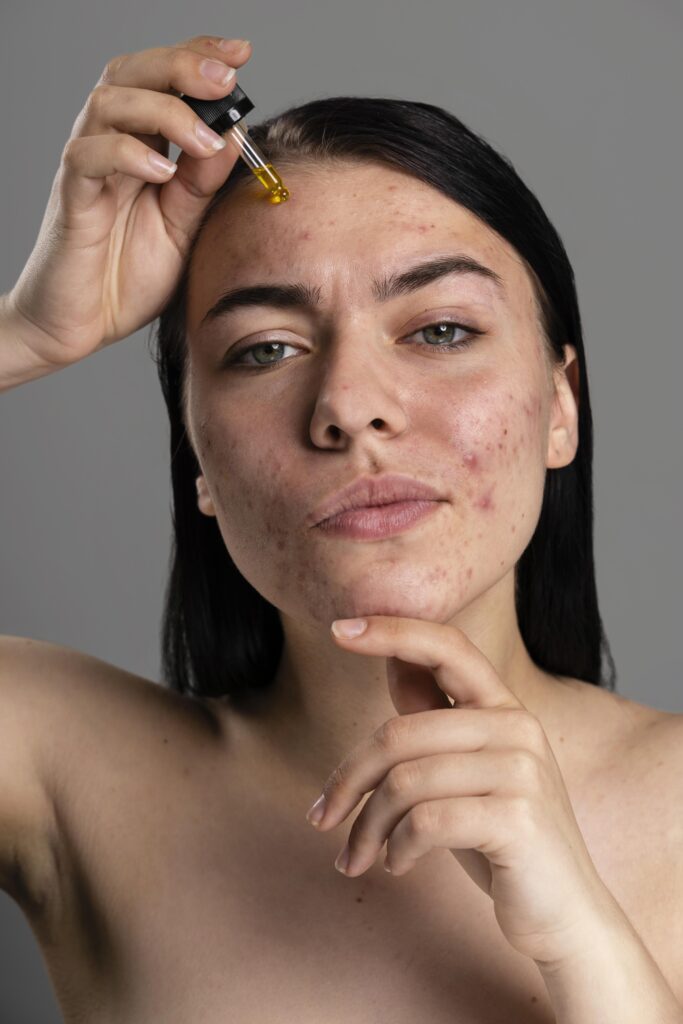
What Causes Acne? A Complete Guide for Teenagers and Adults
Acne is one of the most common skin conditions affecting teenagers and adults worldwide. While many people think acne is just a teenage problem, adult acne is increasingly common, especially in India. Understanding what actually causes acne is the first step toward effective treatment and long-term control.
This guide explains the true causes of acne, how they differ in teenagers and adults, and when to seek professional treatment.
What Is Acne?
Acne is a chronic inflammatory skin condition that occurs when hair follicles (pores) become clogged with oil and dead skin cells. This blockage leads to the formation of pimples, blackheads, whiteheads, and sometimes painful cysts.
Acne most commonly affects the:
•Face
•Chest
•Back
•Shoulders
The Four Main Causes of Acne
Acne develops due to a combination of four key factors:
1. Excess Oil (Sebum) Production
Sebaceous glands in the skin produce oil to keep the skin moisturized. When these glands produce too much oil, pores become more likely to clog.
Hormonal changes are the main reason for increased oil production.
2. Blocked Pores
Dead skin cells normally shed from the skin surface. When they mix with excess oil, they can block pores and form comedones (blackheads and whiteheads).
3. Acne-Causing Bacteria
A bacteria called Cutibacterium acnes (formerly Propionibacterium acnes) grows inside clogged pores. This bacteria triggers inflammation, leading to red, painful pimples.
4. Inflammation
When the body reacts to bacteria inside blocked pores, inflammation occurs. This causes redness, swelling, pain, and pus-filled acne lesions.
What Causes Acne in Teenagers?
Teenage acne is mainly driven by hormonal changes during puberty.
Common Causes of Acne in Teenagers
1.Increase in androgen hormones during puberty
2.Overactive oil glands
3.Genetic predisposition
4.Improper skincare habits
5.Use of oily or comedogenic products
6.Excessive sweating, especially during sports
7.Stress related to exams or lifestyle changes
Teenage acne commonly appears on the forehead, nose, and cheeks.
What Causes Acne in Adults?
Adult acne is very common and often more persistent.
Common Causes of Adult Acne
1.Hormonal imbalance (especially in women)
2.Polycystic Ovary Syndrome (PCOS)
3.Stress and lack of sleep
4.Use of steroid creams or supplements
5.Certain medications
6.Wrong skincare or cosmetic products
7.Hormonal changes during pregnancy or menopause
Adult acne often appears on the jawline, chin, and lower face.
Hormonal Acne: A Major Trigger
Hormonal acne occurs due to fluctuations in hormones that increase oil production.
It is commonly seen:
•During puberty
•Around menstrual cycles
•In PCOS
•During pregnancy
•With stress-related hormonal changes
Hormonal acne is often deep, painful, and recurrent.
Does Diet Cause Acne?
Diet does not directly cause acne, but certain foods may worsen it in some individuals.
Foods that may aggravate acne include:
1.High-sugar and processed foods
2.Excess dairy products
3.Junk and fast food
Dietary triggers vary from person to person and should not be generalized.
Does Stress Cause Acne?
Stress does not directly cause acne, but it can worsen existing acne by:
•Increasing cortisol levels
•Stimulating oil production
•Delaying skin healing
Chronic stress is a common factor in adult acne.
Do Skincare Products Cause Acne?
Yes, using the wrong products can worsen acne.
Common product-related causes include:
1.Heavy or oily creams
2.Comedogenic makeup
3.Frequent product switching
4.Overuse of exfoliants
5.Steroid-containing creams
Always use non-comedogenic, dermatologist-recommended products.
Other Factors That Can Trigger Acne
1.Excessive sweating and humidity
2.Friction from helmets, masks, or tight clothing
3.Poor sleep habits
4.Smoking
5.Touching or picking pimples
Types of Acne Lesions
1.Blackheads
2.Whiteheads
3.Papules
4.Pustules
5.Nodules
6.Cysts
Different types require different treatments.
When Should You See a Dermatologist for Acne?
Consult a dermatologist if:
1.Acne is painful or severe
2.Pimples leave dark marks or scars
3.Acne keeps recurring
4.Over-the-counter products are ineffective
5.Acne affects confidence or mental health
Early treatment prevents permanent scarring.
Frequently Asked Questions (FAQs)
1.Can acne be cured permanently?
Acne can be effectively controlled with proper dermatological treatment. While some people may experience recurrences, early and consistent treatment helps prevent severe breakouts and scarring.
2.Does popping pimples help acne heal faster?
No, popping pimples increases inflammation, spreads bacteria, and significantly raises the risk of permanent acne scars and dark marks.
3.How long does acne treatment take to show results?
Most acne treatments take about 4 to 8 weeks to show visible improvement. Consistency is essential for long-term control.
4.Can adults suddenly develop acne?
Yes, adult-onset acne is very common and is often linked to hormonal changes, stress, lifestyle factors, or certain medications.
5.Is acne only a teenage problem?
No, acne affects both teenagers and adults. Adult acne is increasingly common, especially among women in their 20s, 30s, and 40s.
6.Does hormonal imbalance cause acne?
Yes, hormonal fluctuations are one of the main causes of acne, particularly in teenagers, women with PCOS, during menstrual cycles, pregnancy, or periods of stress.
7.Can stress worsen acne?
Yes, stress increases cortisol levels, which can stimulate oil production and worsen existing acne.
8.Does diet play a role in acne?
Diet does not directly cause acne, but foods high in sugar, dairy, or processed ingredients may worsen acne in some individuals.
9.Can acne leave permanent scars?
Yes, untreated or severe acne can lead to permanent scars and pigmentation. Early treatment significantly reduces this risk.
10.When should I consult a dermatologist for acne?
You should consult a dermatologist if acne is painful, recurrent, leaving marks or scars, or not responding to over-the-counter treatments.
11.Is it safe to use over-the-counter acne creams?
Some over-the-counter products may help mild acne, but misuse—especially steroid-containing creams—can worsen acne. Medical guidance is recommended.
12.Can acne affect mental health?
Yes, acne can impact self-esteem, confidence, and emotional well-being, especially in teenagers and young adults.
Conclusion
Acne is a complex skin condition influenced by multiple factors such as hormones, excess oil production, clogged pores, bacteria, and inflammation. Both teenagers and adults can develop acne, but the underlying causes and patterns may differ. Understanding these causes is essential for choosing the right treatment and achieving clearer, healthier skin.
Early and consistent treatment by a dermatologist can prevent complications like scarring and pigmentation, improving both your skin and confidence. If you experience persistent or severe acne, don’t hesitate to seek professional care.
