
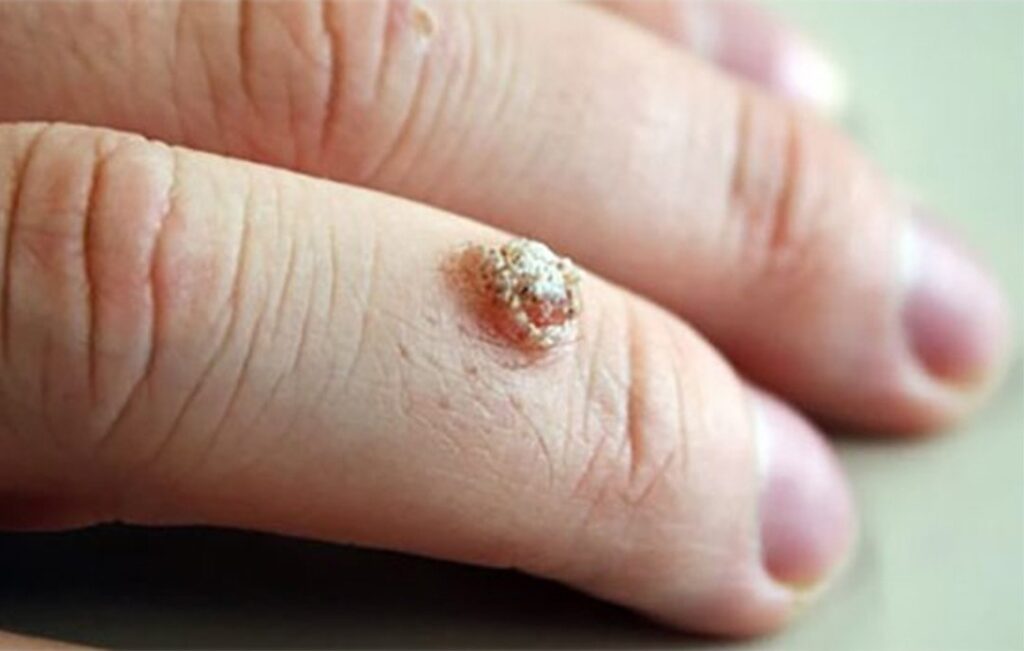
Wart Removal by Electrocautery: A Simple Guide by a Dermatologist
Warts are common skin growths caused by the Human Papilloma Virus (HPV). They can appear on the face, hands, feet, neck, underarms, or other parts of the body. While many warts are harmless, they may become painful, spread to nearby skin, or cause cosmetic concerns.
One of the most effective and quick treatments offered by dermatologists is electrocautery wart removal.
What is Electrocautery?
Electrocautery is a minor dermatological procedure that uses controlled heat generated by electric current to destroy and remove the wart tissue.
It is commonly performed in a dermatology clinic under local anesthesia and usually takes only a few minutes.
When is Electrocautery Recommended?
A dermatologist may advise electrocautery for:
* Common warts on hands and fingers
* Filiform warts on the face or neck
* Multiple small warts
* Warts that do not respond to creams or medicines
* Painful or rapidly spreading warts
* Cosmetic removal of visible warts
How is the Procedure Done?
The procedure is simple and usually painless.
Step-by-Step Procedure
- The wart area is cleaned thoroughly.
- Local anesthesia is given to numb the skin.
- A special electrocautery device is used to burn and remove the wart tissue.
- The treated area is dressed with an antibiotic ointment.
Most patients can return home immediately after the procedure.
Is Electrocautery Painful?
Since local anesthesia is used, there is very little pain during the procedure. Mild burning sensation or discomfort may occur for 1–2 days afterward, which usually settles quickly.
Advantages of Electrocautery for Wart Removal
* Quick procedure
* Effective removal in a single sitting
* Minimal bleeding
* Suitable for multiple warts
* Faster results compared to topical treatments
* Performed as an outpatient procedure
What to Expect After the Procedure?
After electrocautery:
* A small scab forms over the treated area
* The scab usually falls off within 1–2 weeks
* Mild redness or temporary pigmentation may occur
* Proper wound care helps reduce scarring
Your dermatologist may prescribe:
* Antibiotic cream
* Pain relief medication if needed
* Instructions to keep the area clean and dry
Aftercare Tips
To help proper healing:
* Do not scratch or peel the scab
* Avoid touching the treated area frequently
* Keep the area clean and dry
* Use prescribed medications regularly
* Avoid sharing towels or razors to prevent spread of HPV
Can Warts Come Back?
Yes, recurrence is possible because warts are caused by a viral infection. However, electrocautery significantly reduces the wart tissue and provides excellent cosmetic results in many patients.
Early treatment and proper skin care can help prevent recurrence.
Are There Any Side Effects?
Electrocautery is generally safe when performed by a qualified dermatologist. Rare side effects may include:
* Mild pain
* Temporary darkening or lightening of skin
* Small scar
* Infection (uncommon)
FAQs :
- How long does electrocautery wart removal take?
Most wart removal procedures take around 10–20 minutes depending on the size and number of warts.
- Is electrocautery safe for facial warts?
Yes. Electrocautery is commonly used for small facial warts and filiform warts when performed by an experienced dermatologist.
- Will there be a scar after wart removal?
Small scars are uncommon but possible. Proper wound care and avoiding picking the scab can reduce the risk of scarring.
- How many sessions are needed?
Many warts can be removed in a single session. Larger or multiple warts may occasionally need additional treatment.
- Can I wash the treated area after the procedure?
Yes, but follow your dermatologist’s instructions. Usually, gentle cleaning after 24 hours is allowed.
- Is wart removal permanent?
The treated wart is removed, but new warts may develop later because HPV can remain in the skin.
- Can children undergo electrocautery?
Yes, electrocautery can be performed in children when necessary, depending on the child’s age and cooperation.
- Is there any downtime after the procedure?
Most patients can resume normal daily activities immediately after treatment.
When Should You See a Dermatologist?
Consult a dermatologist if:
* Warts are increasing in number
* They become painful or bleed
* Home treatments are not working
* Warts are present on the face or genital area
* You are unsure whether the growth is a wart
Conclusion
Electrocautery is a safe, fast, and effective treatment for wart removal. It offers good cosmetic results and is commonly performed by dermatologists in outpatient clinics. If you notice persistent or bothersome warts, seeking early dermatological treatment can help prevent spreading and improve skin appearance.

1 Comment
Wart Removal by Electrocautery: Benefits, Risks & Recovery
[…] wart removal, the dermatologist directs the cautery device at the wart and destroys the targeted tissue. […]