
Black Patches on Face: Causes, Symptoms & Best Treatment Options (Dermatologist Guide)
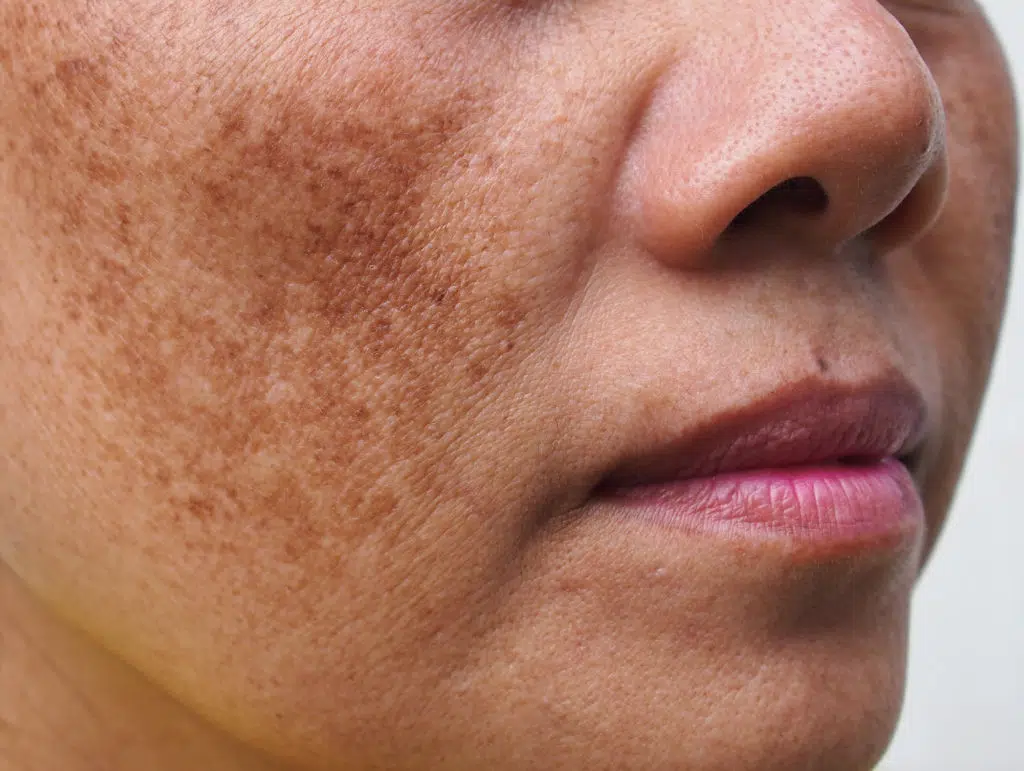
Black patches on the face are one of the most common skin complaints seen in dermatology clinics. These dark areas can appear suddenly or slowly increase over time, affecting confidence and making the skin look uneven.
In most cases, black patches are caused by hyperpigmentation (excess melanin production). However, the exact reason can vary — and the best treatment depends on identifying the correct cause.
This blog explains the top causes, symptoms, and dermatologist-recommended treatments for black patches on the face.
What Are Black Patches on the Face?
Black patches on the face are areas of skin that appear darker than the surrounding skin, usually because of:
1.Increased melanin production
2.Skin inflammation or irritation
3.Hormonal changes
4.Sun damage
5.Certain medical conditions
They may appear as:
•Brown patches
•Grey-brown pigmentation
•Dark uneven areas
•Patchy discoloration
Where Do Black Patches Commonly Appear?
Black patches commonly occur on:
1.Cheeks
2.Forehead
3.Upper lip
4.Nose
5.Chin
6.Jawline
7.Around the mouth
Top Causes of Black Patches on Face
1) Melasma (Most Common Cause)
Melasma causes brown to grey-brown patches, especially on:
1.Cheeks
2.Forehead
3.Upper lip
Common triggers:
1.Sun exposure
2.Pregnancy
3.PCOS and hormonal imbalance
4.Birth control pills
5.Thyroid disorders
6.Genetic tendency
Melasma is very common in Indian skin types.
2) Post-Inflammatory Hyperpigmentation (PIH)
PIH means dark patches left behind after skin inflammation.
It commonly happens after:
1.Acne and pimples
2.Scratching or rubbing
3.Allergic reactions
4.Burns
5.Waxing or threading
6.Skin irritation from products
3) Sun Damage and Tanning
Sun exposure is one of the biggest reasons for facial pigmentation.
It can cause:
1.Uneven skin tone
2.Dark patches on cheeks
3.Sun spots
4.Worsening of melasma
Even 10–15 minutes of daily sun exposure without sunscreen can worsen pigmentation.
4) Acanthosis Nigricans (Dark Thick Patches)
This condition causes dark, thick, velvety patches, usually on:
1.Neck
2.Underarms
3.Groin
4.Sometimes cheeks and jawline
It is often linked to:
1.Insulin resistance
2.Obesity
3.Diabetes / Prediabetes
4.PCOS
5) Fungal Infection (Sometimes)
Some fungal infections can cause dark patches, especially if you notice:
1.Mild itching
2.Fine scaling
3.Slow spreading
6) Cosmetic Allergy / Contact Dermatitis
Pigmentation may develop due to irritation from:
1.Face bleach
2.Hair dye
3.Perfumes
4.Certain makeup products
5.Harsh soaps
6.Fairness creams
Many “fairness” creams contain hidden steroids, which worsen pigmentation over time.
7) Other Skin Conditions (Less Common)
In some cases, black patches can be caused by:
1.Lichen planus pigmentosus
2.Vitamin B12 deficiency
3.Addison’s disease (rare)
4.Drug-induced pigmentation
Symptoms of Black Patches on Face
Black patches may present as:
Common Symptoms
1.Flat brown or grey patches
2.Uneven skin tone
3.Patchy discoloration
4.Gradual darkening over weeks or months
Warning Signs (Consult a Dermatologist)
1.Sudden rapid spreading
2.Itching or burning sensation
3.Scaling or peeling
4.Thick velvety texture
5.Pigmentation with weight gain or irregular periods
5.Pigmentation with weight gain or irregular periods
How Dermatologists Diagnose Black Patches on Face
A dermatologist may diagnose pigmentation by:
1.Clinical examination
2.History of sun exposure and cosmetics
3.Wood’s lamp examination (in some cases)
4.Checking for hormonal imbalance or PCOS symptoms
5.Blood tests (only if needed)
6) Best Treatment Options for Black Patches on Face
Treatment depends on the cause, skin type, and depth of pigmentation.
1) Sunscreen (Most Important Treatment Step)
If you want pigmentation to reduce, sunscreen is non-negotiable.
A good sunscreen should be:
1.SPF 50
2.PA+++ or PA++++
3.Broad spectrum (UVA + UVB)
4.Gel-based for oily skin / cream-based for dry skin
How to use:
1.Apply every morning
2.Reapply every 3–4 hours if outdoors
3.Use even indoors (especially if near windows)
2) Dermatologist-Prescribed Creams
Depending on the cause, dermatologists may prescribe:
1.Vitamin C
2.Niacinamide
3.Azelaic acid
4.Kojic acid
5.Tranexamic acid (topical)
6.Retinoids (tretinoin)
7.Hydroquinone (short-term and monitored)
Avoid self-medicating with hydroquinone or steroid creams.
3) Oral Medicines (In Selected Cases)
Some patients may need oral treatment, especially for melasma.
A dermatologist may prescribe:
1.Oral tranexamic acid (only under supervision)
2.Antioxidants
3.Vitamin correction (B12, D, etc.)
4) Chemical Peels for Pigmentation
Chemical peels are highly effective for:
1.Melasma (selected cases)
2.Sun tanning
3.Acne marks
4.Uneven pigmentation
Common peels include:
1.Glycolic peel
2.Lactic peel
3.Salicylic peel
4.Mandelic peel
5.TCA peel (selected cases)
5) Laser Treatment for Pigmentation
Laser and light-based treatments can help in:
1.Sun spots
2.Certain pigmentation types
3.Resistant melasma (very carefully)
Wrong lasers can worsen pigmentation in Indian skin. Always choose an experienced dermatologist.
6) Microneedling + Depigmentation Serums
Microneedling may help with:
1.Post-acne pigmentation
2.Skin texture
3.Mild melasma
It is done in multiple sessions.
How Long Does It Take to Treat Black Patches on Face?
This depends on the cause:
1.PIH (acne marks): 6–12 weeks
2.Sun tanning: 4–8 weeks
3.Melasma: 3–6 months (sometimes longer)
4.Acanthosis nigricans: depends on insulin resistance control
Pigmentation treatment is slow — but very rewarding when done correctly.
Do’s and Don’ts for Black Patches on Face
Do’s
1.Use sunscreen daily
2.Use gentle face wash
3.Follow dermatologist treatment consistently
4.Moisturize regularly
5.Treat acne early
6.Wear cap/sunglasses outdoors
Don’ts
1.Don’t use lemon or harsh scrubs
2.Don’t use fairness creams with steroids
3.Don’t over-exfoliate
4.Don’t pick pimples
5.Don’t do frequent bleaching
FAQs: Black Patches on Face
1) What is the most common cause of black patches on the face?
The most common cause is melasma, followed by post-acne pigmentation (PIH) and sun damage.
2) Can black patches on the face be removed permanently?
Some types like PIH and tanning can clear completely.
Melasma can improve significantly but may come back if sunscreen and maintenance are not followed.
3) Which cream is best for black patches on face?
The best cream depends on the cause. Common dermatologist-recommended ingredients include:
1.Azelaic acid
2.Niacinamide
3.Vitamin C
4.Kojic acid
5.Tranexamic acid
6.Retinoids (prescription)
Avoid random online creams, especially steroid-based creams.
4) Can home remedies remove black patches?
Home remedies may provide mild improvement, but many (like lemon, baking soda, harsh scrubs) can worsen pigmentation.
For best results, dermatologist treatment is recommended.
5) How can I stop pigmentation from spreading?
To prevent spreading:
1.Use SPF 50 sunscreen daily
2.Avoid sun exposure
3.Stop steroid creams
4.Treat acne early
5.Use gentle skincare
6.Consult a dermatologist if patches increase
6) Are chemical peels safe for Indian skin?
Yes — when done by an experienced dermatologist using the right peel strength.
Improper peels can cause burns and worsen pigmentation.
7) Why do black patches keep coming back?
Black patches may return due to:
1.Sun exposure
2.Hormonal imbalance
3.Pregnancy
4.PCOS
5.Using wrong products
6.Lack of sunscreen
8) When should I see a dermatologist for black patches?
You should consult a dermatologist if:
1.Patches spread quickly
2.Pigmentation is not improving in 6–8 weeks
3.There is itching, scaling, or burning
4.You are pregnant
5.You have PCOS/diabetes symptoms
Final Words
Black patches on the face are usually treatable, but the key is identifying the correct cause and following a consistent plan. With the right treatment, sunscreen, and maintenance, most patients see a visible improvement in a few weeks to months.
