
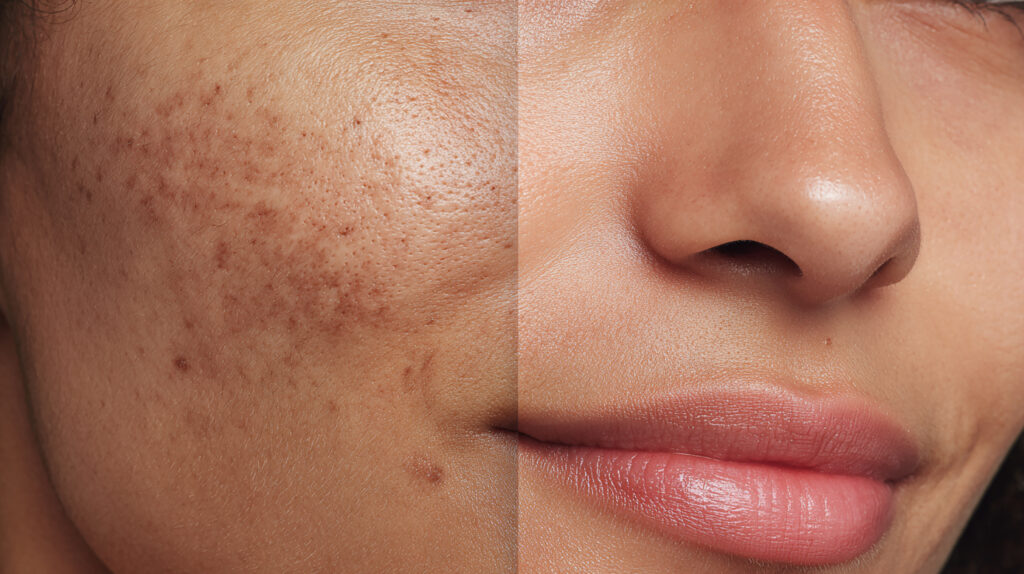
Best Dermatologist Recommended Treatments for Hyperpigmentation
Hyperpigmentation is a common skin concern that causes patches of skin to become darker than the surrounding area. It can affect people of all skin types and may occur due to sun exposure, acne, hormonal changes, skin inflammation, or aging. While pigmentation can be frustrating, modern dermatology offers several effective treatment options to help achieve a more even skin tone.
What Causes Hyperpigmentation?
Before starting treatment, it’s important to identify the cause of pigmentation. Common causes include:
* Melasma (hormonal pigmentation)
* Post-inflammatory hyperpigmentation (PIH) after acne, eczema, or injury
* Sunspots (solar lentigines) caused by prolonged sun exposure
* Drug-induced pigmentation
* Certain medical conditions
A dermatologist can accurately diagnose the type of pigmentation and recommend the most suitable treatment plan.
1. Sunscreen: The Foundation of Every Treatment
No pigmentation treatment is effective without proper sun protection.
Dermatologists recommend:
* Broad-spectrum sunscreen (SPF 30 or higher)
* Reapplication every 2–3 hours during outdoor exposure
* Wearing hats, sunglasses, and seeking shade
Sun exposure can worsen existing pigmentation and cause recurrence even after successful treatment.
2. Prescription Depigmenting Creams
Topical medications are often the first line of treatment.
Common ingredients include:
* Hydroquinone
* Azelaic acid
* Kojic acid
* Retinoids
* Vitamin C
* Tranexamic acid
* Niacinamide
These ingredients help reduce melanin production and gradually lighten dark spots. Treatment typically requires several weeks to months for noticeable improvement.
3. Chemical Peels
Chemical peels remove damaged skin cells and promote skin renewal.
Common peels used for pigmentation:
* Glycolic acid peels
* Salicylic acid peels
* Mandelic acid peels
* Lactic acid peels
* Combination peels
Benefits:
* Improved skin tone
* Reduction in superficial pigmentation
* Brighter, smoother skin
Multiple sessions may be needed depending on the severity of pigmentation.
4. Laser Treatments
Laser therapy can target excess pigment with precision.
Common laser options include:
* Q-switched lasers
* Pico lasers
* Fractional lasers (selected cases)
Laser treatments are often considered for:
* Stubborn pigmentation
* Sunspots
* Certain cases of post-acne pigmentation
Since some pigmentary disorders can worsen with improper laser use, treatment should always be performed under a qualified dermatologist’s supervision.
5. Microneedling
Microneedling creates controlled micro-injuries in the skin, stimulating repair and regeneration.
Benefits include:
* Improvement in post-inflammatory pigmentation
* Enhanced penetration of topical medications
* Better overall skin texture
Microneedling may be combined with specialized serums for enhanced results.
6. Oral Medications
In selected cases, dermatologists may prescribe oral medications.
For example:
* Oral tranexamic acid for carefully selected melasma patients
* Antioxidant supplements in specific situations
These treatments require proper medical evaluation and monitoring.
7. Combination Therapy: The Most Effective Approach
For many patients, the best results come from combining treatments rather than relying on a single option.
A personalized treatment plan may include:
* Sunscreen
* Prescription creams
* Chemical peels
* Microneedling
* Laser treatments
The exact combination depends on the type, depth, and cause of pigmentation.
How Long Does It Take to See Results?
Most patients begin noticing improvement within:
* 6–12 weeks with topical treatments
* A few sessions with chemical peels or microneedling
* Variable timelines with laser treatments
Patience and consistency are essential, as pigmentation often develops over months or years and requires time to improve.
When Should You See a Dermatologist?
Consult a dermatologist if:
* Pigmentation is spreading rapidly
* Home remedies are not helping
* Dark patches keep recurring
* You are unsure about the cause
* Pigmentation is affecting your confidence
Early diagnosis and treatment often lead to better outcomes.
Conclusion :
Hyperpigmentation can be effectively managed with the right diagnosis and treatment plan. From prescription creams and chemical peels to advanced laser procedures, dermatologists have multiple options to help reduce pigmentation and restore a more even complexion. The key to successful treatment is a personalized approach, regular sun protection, and consistent follow-up with your dermatologist.
Remember: Not all pigmentation is the same. The best treatment depends on the underlying cause, making professional evaluation an important first step toward clearer, healthier-looking skin.
