
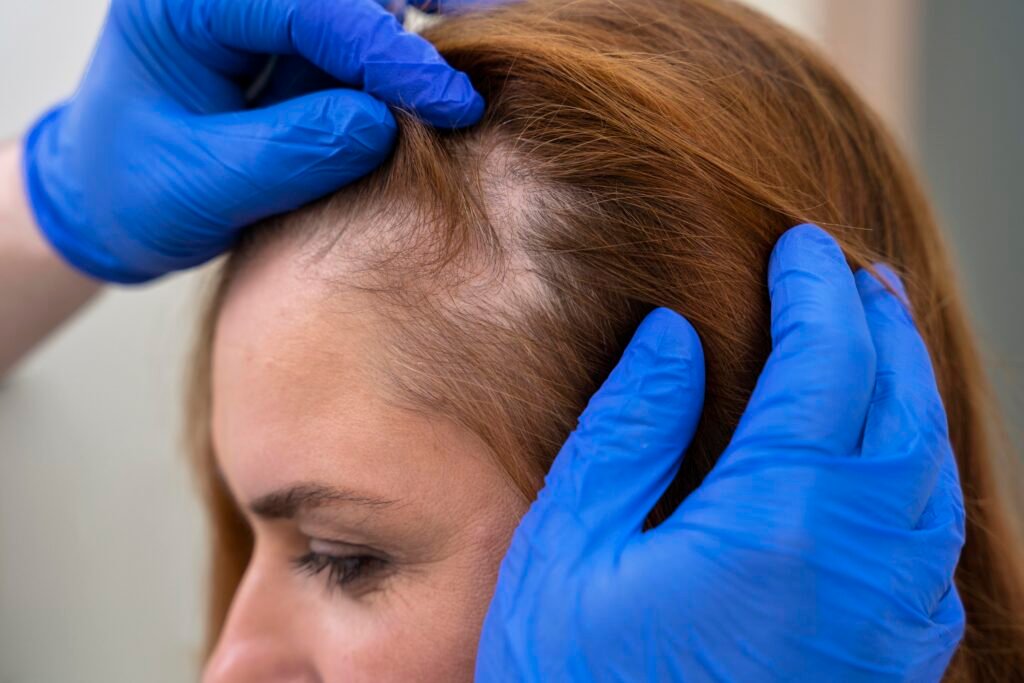
When Should You Visit a Dermatologist for Hair Fall?
Hair fall is a common problem among men and women. Losing 50–100 hair strands per day is normal. However, excessive hair fall, hair thinning, or sudden bald patches may indicate an underlying problem.
Many people try hair oils, shampoos, and home remedies to control hair fall. But when should you visit a dermatologist for hair fall?
Here are some important signs that indicate it is time to consult a dermatologist.
- Excessive Hair Fall
If you notice more hair falling than usual while combing, washing, or styling your hair, it may be a sign of excessive hair fall.
If hair shedding continues for several weeks, consult a dermatologist to identify the cause.
- Visible Hair Thinning
If your hair is becoming thinner or your scalp is more visible than before, it may indicate hair loss.
Common signs include:
- Widening hair parting.
- Receding hairline.
- Thinning at the crown.
- Reduced hair volume.
Early diagnosis can help manage hair thinning and prevent further hair loss.
- Sudden Bald Patches
Sudden bald patches on the scalp should not be ignored. They may be caused by conditions such as alopecia areata or scalp infections.
A dermatologist can examine your scalp and recommend the right treatment.
- Scalp Itching and Dandruff
Persistent dandruff, itching, redness, and scalp irritation may affect scalp health and sometimes contribute to hair shedding.
Consult a dermatologist if these problems continue despite using regular anti-dandruff shampoos.
- Hair Fall Despite Using Home Remedies
Are you still experiencing hair fall after trying different oils, shampoos, and home remedies?
Hair fall can have several causes, including:
- Nutritional deficiencies.
- Hormonal changes.
- Thyroid problems.
- Stress.
- Genetic factors.
- Certain medical conditions.
A dermatologist can identify the actual cause and suggest suitable treatment.
- Hair Fall After Illness or Stress
Hair fall may increase after fever, surgery, childbirth, or emotional stress.
This condition is often called telogen effluvium. It usually causes temporary hair shedding.
If excessive hair fall continues, consult a dermatologist for proper evaluation.
What Does a Dermatologist Do for Hair Fall?
A dermatologist examines your scalp and identifies the possible cause of hair loss.
Depending on your condition, the consultation may include:
- Scalp examination.
- Hair pull test.
- Medical history evaluation.
- Blood tests, if required.
Based on the diagnosis, the dermatologist may recommend suitable treatment.
What Are the Treatment Options for Hair Fall?
Hair fall treatment depends on its cause and severity.
Common treatment options include:
- Medications: To manage certain types of hair loss.
- Nutritional Supplements: If nutritional deficiencies are identified.
- GFC Therapy: May be recommended for selected patients with certain types of hair loss.
- Medicated Shampoos: To treat certain scalp conditions.
- Hair Transplant: An option for suitable candidates with permanent hair loss.
A dermatologist can help you choose the right treatment based on your hair condition.
How to Prevent Excessive Hair Fall?
Follow these simple hair care tips to maintain healthy hair:
- Eat a balanced diet with enough protein and essential nutrients.
- Avoid excessive heat styling.
- Use a suitable shampoo.
- Avoid tight hairstyles.
- Manage stress.
- Get enough sleep.
- Avoid taking supplements without medical advice.
FAQs:
- How much hair fall is normal per day?
Losing around 50–100 hair strands per day is generally normal. Excessive shedding or visible thinning may require medical attention.
- When should I consult a dermatologist for hair fall?
Consult a dermatologist if you experience continuous hair fall, visible thinning, sudden bald patches, or persistent scalp problems.
- Can a dermatologist treat hair loss?
Yes. A dermatologist can identify the cause of hair loss and recommend suitable treatment options.
- Can stress cause hair fall?
Yes. Physical and emotional stress can trigger temporary hair shedding, known as telogen effluvium.
- Is hair fall completely reversible?
Some types of hair loss are temporary and can improve with proper treatment. However, genetic hair loss may require long-term management.
Conclusion
Hair fall is common, but excessive hair shedding and visible thinning should not be ignored. If you notice continuous hair fall, bald patches, or scalp problems, consult a dermatologist for proper diagnosis.
Early treatment can help manage hair loss and improve overall hair health. Instead of relying only on home remedies, seek professional advice to find the right solution for your hair fall problem.
