
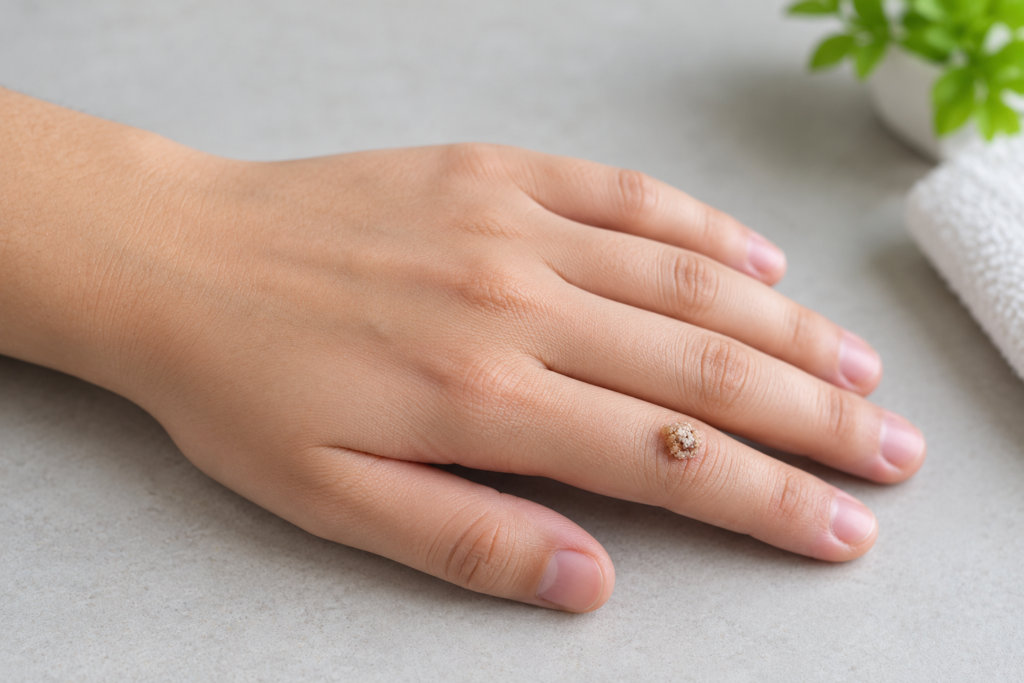
Wart Removal by Electrocautery: How It Works, Benefits, Risks & Recovery
Warts are common skin growths caused by infection with human papillomavirus (HPV). Although many warts are harmless, they can be persistent, spread to other areas of the skin, or become a cosmetic concern. When treatment is required, dermatologists may use several techniques, including electrocautery.
Wart removal by electrocautery is a procedure that uses controlled electrical energy to generate heat and destroy the wart tissue. It is commonly used for selected types of warts and can often be performed as an outpatient procedure.
What Are Warts?
Warts are non-cancerous growths of the skin caused by certain types of HPV. The virus can enter the skin through small cuts or breaks and cause the outer layer of the skin to grow excessively.
Common types include:
* Common warts – usually occur on the hands and fingers.
* Plantar warts – develop on the soles of the feet and may be painful while walking.
* Flat warts – smaller, smoother warts that may occur on the face, arms or legs.
* Periungual warts – occur around or under the fingernails.
* Genital warts – occur in the genital or anal region and require specific evaluation and treatment.
Not every skin growth that looks like a wart is actually a wart. Therefore, proper diagnosis by a dermatologist is important before removal.
What Is Electrocautery for Wart Removal?
Electrocautery is a technique in which controlled heat generated by an electrical current is used to destroy abnormal tissue.
For wart removal, the dermatologist directs the cautery device at the wart and destroys the targeted tissue. Depending on the wart and its location, the procedure may be combined with removal of the superficial wart tissue.
The goal is to remove the visible wart while minimizing damage to the surrounding healthy skin.
How Does Electrocautery Remove a Wart?
The procedure generally involves several steps:
1. Examination of the wart
The dermatologist first examines the lesion to confirm that it is a wart and determines its type, size, depth and location.
2. Local anaesthesia
A local anaesthetic is usually used to make the procedure more comfortable, particularly when treating larger, thicker or sensitive lesions.
3. Controlled cauterization
The electrocautery device is used to deliver controlled heat to the wart tissue. The heat destroys the targeted tissue.
4. Wound care
After the wart has been treated, the area is cleaned and an appropriate dressing or topical medication may be recommended.
The exact technique varies depending on the type and location of the wart.
What Are the Benefits of Electrocautery for Warts?
Electrocautery can have several advantages when appropriately selected by a dermatologist:
Targeted treatment
The procedure allows the dermatologist to directly treat the wart tissue while controlling the treatment area.
Relatively quick procedure
Many small warts can be treated during a short outpatient procedure.
Useful for selected resistant warts
Some warts that have not responded adequately to topical treatments may be considered for procedural treatment.
No prolonged medication course
Unlike some topical wart treatments, electrocautery does not require weeks of daily application to the treated lesion.
Can be used for multiple lesions
Depending on the number, size and location of the warts, multiple lesions may sometimes be treated during the same appointment.
Is Electrocautery Wart Removal Painful?
Because the procedure involves heat, anaesthesia is commonly used to reduce discomfort during treatment.
You may feel a brief injection-related discomfort from the local anaesthetic. Once the area is numb, the actual procedure is generally much more comfortable.
After the anaesthesia wears off, there may be:
* Mild pain or tenderness
* Burning or stinging sensation
* Mild swelling
* Formation of a crust over the treated area
These symptoms generally improve as the area heals.
How Long Does Wart Removal by Electrocautery Take?
The treatment time depends on the:
* Number of warts
* Size of each wart
* Thickness and depth
* Location
* Treatment technique
A small number of uncomplicated warts can often be treated during a single outpatient visit.
Recovery After Electrocautery
After electrocautery, the treated area usually develops a crust or scab as part of the normal healing process.
The healing period varies depending on the size and location of the treated wart.
During recovery:
* Keep the area clean.
* Follow the wound-care instructions provided by your dermatologist.
* Avoid picking or removing the crust prematurely.
* Keep the area protected when necessary.
* Avoid unnecessary friction or trauma to the treated site.
* Use sunscreen on healed exposed skin to reduce the risk of persistent pigmentation.
Do not apply additional wart-removing chemicals or home remedies to the treated wound unless specifically advised by your dermatologist.
Can Electrocautery Leave a Scar?
Any procedure that destroys skin tissue can potentially result in scarring or changes in pigmentation.
The risk depends on several factors, including:
* Depth of the wart
* Size and location of the lesion
* Treatment technique
* Individual healing response
* Infection or trauma during healing
* Skin type
Temporary redness or pigmentation may occur after treatment. In some individuals, pigmentation changes can persist for longer.
Your dermatologist can discuss the expected cosmetic outcome based on the location and characteristics of the wart.
Can Warts Come Back After Electrocautery?
Yes. Wart recurrence is possible even after apparently successful removal.
This is because electrocautery destroys the treated wart tissue, but it does not necessarily eliminate HPV from the surrounding skin.
Recurrence can therefore occur, particularly with certain persistent or extensive warts.
New warts can also develop elsewhere through viral spread.
How Many Sessions Are Needed?
The number of sessions varies from person to person.
A small, superficial wart may resolve after one treatment, while thicker, deeper, multiple or recurrent warts may require additional treatment.
The response is usually assessed during follow-up, and further treatment may be considered if residual or recurrent wart tissue is present.
Electrocautery vs Other Wart Treatments
Electrocautery is only one of several treatment options for warts.
Depending on the individual case, dermatologists may consider:
* Salicylic acid preparations
* Cryotherapy
* Electrosurgery/electrocautery
* Curettage
* Laser treatment in selected cases
* Other prescription or immune-based treatments for selected difficult or recurrent warts
There is no single treatment that is ideal for every wart. The choice depends on the type, size, number, location, thickness, previous treatment response and patient factors.
When Should You See a Dermatologist?
You should consider professional evaluation if:
* The diagnosis is uncertain.
* The lesion is rapidly changing.
* It is bleeding or repeatedly painful.
* The growth is located on the face or around the nails.
* Warts are spreading or increasing in number.
* Previous treatments have failed.
* You have multiple or recurrent warts.
* The lesion is in the genital area.
A dermatologist can confirm the diagnosis and select an appropriate treatment based on the individual lesion.
FAQs’ :
Is electrocautery a permanent treatment for warts?
Electrocautery can effectively destroy the treated wart, but recurrence is possible. New warts can also develop because HPV may remain in surrounding skin.
Can I go home after electrocautery?
Yes. Wart electrocautery is generally performed as an outpatient procedure, so patients can usually return home after treatment.
Can I work after wart removal?
For many small procedures, normal activities can be resumed relatively quickly. However, this depends on the location of the wart and the type of work you do.
Can I exercise after electrocautery?
It depends on the treatment site. Activities that cause sweating, friction or pressure on the treated area may need to be avoided temporarily.
Can electrocautery be used on facial warts?
It can be considered for selected facial warts, but cosmetic factors are particularly important because of the possibility of pigmentation or scarring. Your dermatologist can recommend the most appropriate option.
Conclusion :
Wart removal by electrocautery is a commonly used procedural approach for selected warts. It uses controlled heat to destroy the wart tissue and can provide a relatively quick treatment option when appropriately indicated.
However, wart treatment should begin with an accurate diagnosis. The possibility of recurrence, pigmentation, scarring and other complications should also be discussed before treatment.
If you have a persistent, recurrent or cosmetically bothersome wart, a dermatologist can examine the lesion and determine whether electrocautery or another treatment would be most appropriate for you.
