
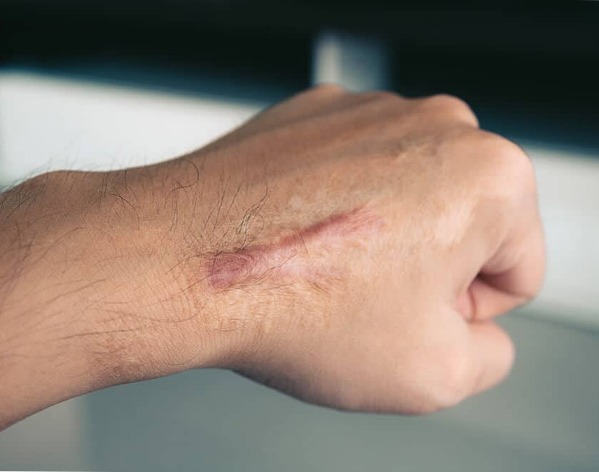
Keloids: Causes, Symptoms, and Intralesional Injection Treatment
Keloids are a type of abnormal scar that forms when the skin produces excessive collagen during the healing process. Unlike normal scars, keloids grow beyond the boundaries of the original wound and may continue to enlarge over time.
They may cause cosmetic concerns, itching, tenderness, or discomfort. With advances in dermatology, several treatment options are available, with intralesional injections being one of the most effective and commonly used treatments.
1) What Are Keloids?
Keloids are raised, thick, and firm scars that develop due to an abnormal healing response after skin injury.
During normal wound healing, collagen helps repair damaged skin. However, in some individuals the body produces excess collagen, resulting in a thick, raised scar known as a keloid.
Unlike normal scars, keloids:
- Extend beyond the original wound
- Continue to grow slowly over time
- Become thick and raised
- May appear smooth or shiny
2) Common Causes of Keloids
Keloids can develop after various types of skin injury. Some common causes include:
- Acne scars
- Ear piercing
- Surgical scars
- Burns
- Cuts or trauma
- Vaccination scars
- Insect bites in some individuals
Some people have a genetic tendency to develop keloids.
3) Symptoms of Keloids
Keloids may vary in size, shape, and color. Common symptoms include:
- Raised and thick scar tissue
- Pink, red, or dark brown discoloration
- Smooth or shiny appearance
- Persistent itching
- Tenderness or mild pain
- Gradual enlargement of the scar
Keloids most commonly occur on:
- Chest
- Shoulders
- Upper back
- Earlobes
- Jawline and neck
4) Diagnosis of Keloids
Keloids are usually diagnosed through a clinical examination by a dermatologist.
The doctor evaluates:
- The size and thickness of the scar
- Growth beyond the original wound
- Symptoms such as itching or discomfort
In most cases, no additional tests are required.
5) Treatment of Keloids
The goal of treatment is to reduce the size of the keloid, flatten the scar, relieve symptoms, and prevent further growth.
1) Intralesional Injections (Most Effective and Common Treatment)
Intralesional injections are one of the most effective and commonly used treatments for keloids.
In this procedure, medication is directly injected into the keloid scar using a fine needle.
The most commonly used medication is corticosteroid injections.
These injections work by:
- Reducing inflammation within the scar tissue
- Decreasing excessive collagen production
- Softening and flattening the keloid
- Reducing itching and discomfort
- Preventing further scar growth
The procedure is quick and performed in a dermatology clinic.
Patients usually require multiple treatment sessions at intervals of 3–4 weeks, depending on the size and thickness of the keloid.
Over time, the keloid becomes smaller, softer, and less noticeable.
2) Other Treatment Options
In some cases, dermatologists may combine intralesional injections with other treatments to achieve better results.
These include:
- Silicone gel or silicone sheets
- Cryotherapy (freezing treatment)
- Laser therapy
- Surgical removal in selected cases
- Pressure therapy
Combination treatments can help improve outcomes and reduce the chances of recurrence.
6) When Should You See a Dermatologist?
You should consult a dermatologist if you notice:
- A scar that continues to grow beyond the original wound
- Thick and raised scar tissue
- Persistent itching or pain in a scar
- Cosmetic concerns due to scars
Early treatment can help control keloid growth and improve skin appearance.
Frequently Asked Questions (FAQs)
1) What causes keloids to form?
Keloids form when the skin produces excess collagen during wound healing, resulting in thick and raised scar tissue.
2) Are keloids harmful?
Keloids are non-cancerous and not dangerous, but they may cause itching, discomfort, or cosmetic concerns.
3) What is the best treatment for keloids?
Intralesional corticosteroid injections are considered one of the most effective treatments for reducing the size and thickness of keloids.
4) How many intralesional injection sessions are required?
Most patients need 3–6 sessions, spaced about 3–4 weeks apart, depending on the size of the keloid.
5) Are intralesional injections painful?
The injections may cause mild discomfort, but the procedure is quick and generally well tolerated.
6) Can keloids completely disappear after treatment?
Treatment can significantly reduce the size and thickness of keloids, although complete disappearance may not always occur.
7) Can keloids come back after treatment?
Yes, keloids can sometimes recur. However, regular treatment and follow-up with a dermatologist can help reduce the risk.
Conclusion
Keloids are a common form of abnormal scarring caused by excessive collagen production during the healing process. While they may grow larger than the original injury, effective treatments are available.
Among these, intralesional injections remain one of the most effective and widely used treatments, helping to flatten the scar, reduce symptoms, and improve the appearance of the skin.
Early consultation with a dermatologist can help achieve better treatment outcomes and improved cosmetic results.
