
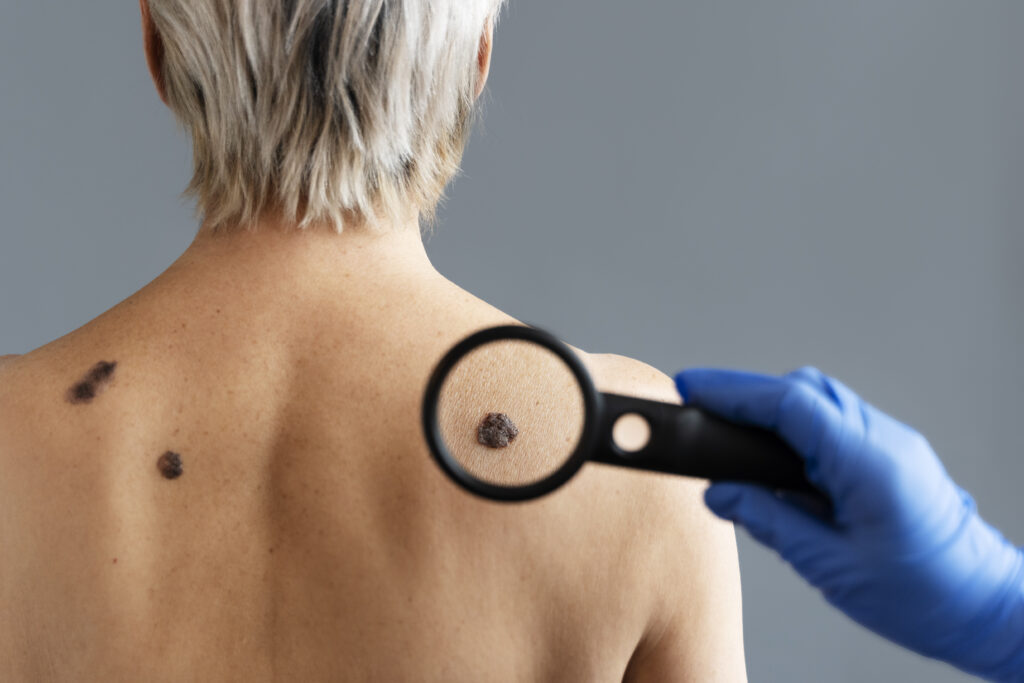
Skin Tags vs Warts vs Moles: How to Tell the Difference
If you’ve noticed a small growth on your skin, it’s common to wonder:
Is it a skin tag, a wart, or a mole?
Although these skin growths may look similar, they are different in their cause, appearance, and treatment.
This blog explains the difference between skin tags vs warts vs moles, how to identify them, and when to see a dermatologist.
1) What Is a Skin Tag?
A skin tag (also called acrochordon) is a soft, harmless skin growth that usually hangs from the skin surface.
1.1) How Skin Tags Look
Skin tags usually appear as:
1.Soft and smooth
2.Skin-colored or slightly darker
3.Hanging or dangling (often on a thin stalk)
4.Small in size but may grow larger
5.Usually painless unless irritated
1.2) Common Areas for Skin Tags
Skin tags are commonly seen on:
1.Neck
2.Underarms
3.Under breasts
4.Groin area
5.Eyelids
1.3) Causes of Skin Tags
Skin tags often occur due to:
1.Skin friction
2.Obesity or weight gain
3.Pregnancy
4.Diabetes or insulin resistance
5.PCOS
6.Family history
1.4) Are Skin Tags Dangerous?
1.No, skin tags are benign
2.They do not turn into cancer
3.They can become painful if rubbed or twisted
2) What Is a Wart?
A wart is a skin growth caused by a viral infection, usually due to HPV (Human Papilloma Virus).
2.1) How Warts Look
Warts commonly appear as:
1.Rough, hard bumps
2.Thickened skin with a grainy surface
3.Cauliflower-like growths
4.Sometimes with tiny black dots inside
5.Single or multiple clustered growths
2.2) Common Areas for Warts
Warts commonly occur on:
1.Fingers and hands
2.Feet (plantar warts)
3.Knees and elbows
4.Face (sometimes)
5.Genital area (genital warts)
2.3) Are Warts Contagious?
Yes. Warts are contagious and can spread through:
1.Skin-to-skin contact
2.Shaving over the wart
3.Scratching or picking
4.Sharing towels
2.4) Are Warts Dangerous?
1.Most warts are not dangerous
2.They can spread to other areas
3.They can be painful (especially foot warts)
4.They may require medical treatment if persistent
3) What Is a Mole?
A mole (also called nevus) is a skin growth made of pigment-producing cells called melanocytes.
3.1) How Moles Look
Moles usually appear as:
1.Brown, black, or sometimes skin-colored spots
2.Flat or raised growths
3.Smooth surface
4.Round or oval shape
5.Sometimes with hair growing from them
3.2) Common Areas for Moles
Moles can appear anywhere on the body, including:
1.Face
2.Back
3.Arms
4.Legs
5.Scalp
3.3) Are Moles Dangerous?
1.Most moles are harmless
2.Some moles can become cancerous (melanoma)
3.Any mole that changes should be checked
4) How to Tell the Difference Between Skin Tags, Warts, and Moles
Here are the easiest ways to identify each condition.
4.1) Signs It May Be a Skin Tag
The growth is more likely a skin tag if it is:
1.Soft to touch
2.Hanging or dangling
3.Located in friction areas (neck, underarms, groin)
4.Similar in color to your skin
5.Not spreading to nearby areas
4.2) Signs It May Be a Wart
The growth is more likely a wart if it is:
1.Rough and hard
2.Thick and bumpy
3.Spreading or increasing in number
4.Found on hands, fingers, or feet
5.Sometimes showing black dots
4.3) Signs It May Be a Mole
The growth is more likely a mole if it is:
1.Brown or black (pigmented)
2.Smooth in texture
3.Round or oval
4.Stable for years
5.Not contagious or spreading
5) When Should You See a Dermatologist?
You should consult a dermatologist if the skin growth:
1.Bleeds easily
2.Becomes painful
3.Grows rapidly
4.Changes color or shape
5.Has irregular borders
6.Looks very different from other spots on your body
7.Appears suddenly in large numbers
6) ABCDE Rule for Mole Warning Signs
Dermatologists use the ABCDE rule to identify suspicious moles:
1.A – Asymmetry: one half does not match the other
2.B – Border: irregular, uneven, or blurred edges
3.C – Color: multiple shades or sudden color change
4.D – Diameter: larger than 6 mm or increasing
5.E – Evolving: changing over time
If your mole matches any of these signs, it should be examined promptly.
7) Can You Remove Skin Tags, Warts, or Moles at Home?
Many people try home remedies such as:
1.Cutting with scissors
2.Tying with thread
3.Apple cider vinegar
4.Over-the-counter acids
However, home removal can cause:
1.Heavy bleeding
2.Infection
3.Scarring
4.Delayed diagnosis (especially if it is a suspicious mole)
For safety, it is best to consult a dermatologist first.
8) Best Dermatologist Treatments for Skin Tags, Warts, and Moles
8.1) Skin Tag Removal Options
Skin tags can be removed safely using:
1.Radiofrequency (RF) cautery
2.Electrocautery
3.Cryotherapy (freezing)
4.Snip excision
8.2) Wart Removal Options
Warts are treated based on type and location. Common options include:
1.Cryotherapy
2.Medical topical treatments
3.Electrocautery
4.Laser for stubborn warts
8.3) Mole Removal Options
Moles are treated depending on their type:
1.Dermatoscopy evaluation
2.Surgical excision
3.Biopsy if suspicious
9) FAQs: Skin Tags vs Warts vs Moles
9.1) How do I know if it’s a skin tag or wart?
1.Skin tags are soft and hanging
2.Warts are rough and may spread
9.2) Can warts look like skin tags?
1.Yes, some warts can appear smooth
2.Dermatologist evaluation is best for confirmation
9.3) Can skin tags become cancer?
1.No, skin tags are benign
2.They do not turn into cancer
9.4) Should I worry about moles?
1.Most moles are harmless
2.Any mole that changes should be evaluated
10) Conclusion
Skin tags, warts, and moles are common skin growths, but they are not the same.
1.Skin tags are soft, harmless, and related to friction
2.Warts are contagious and caused by a virus
3.Moles are pigment spots and should be monitored for changes
If you’re unsure what the growth is, a dermatologist
can identify it quickly and recommend the safest treatment.
