
Fungal Skin Infection: Why Does It Keep Coming Back?
Introduction
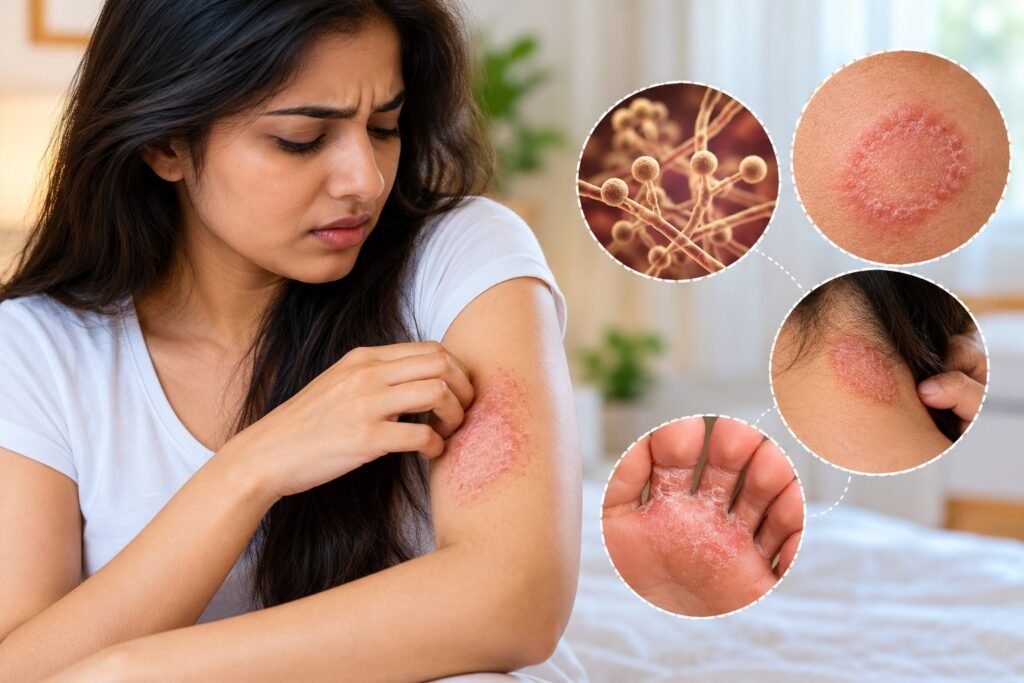
Fungal skin infections are common conditions that cause itching, redness, scaling, and sometimes ring-shaped patches on the skin. They frequently affect the groin, thighs, feet, trunk, and skin folds.
Many people experience temporary relief after using antifungal creams, only for the rash to return after a few weeks. Why does a fungal skin infection keep coming back even after treatment?
Incomplete treatment, reinfection, inappropriate steroid cream use, incorrect diagnosis, and antifungal resistance are some possible reasons. Identifying the underlying cause is essential for effective treatment and long-term control.
Why Does a Fungal Skin Infection Keep Coming Back?
1. Incomplete Treatment
Stopping treatment as soon as itching and redness improve may result in inadequate treatment. Follow your dermatologist’s instructions regarding medication and treatment duration, even if symptoms improve earlier.
2. Using Steroid-Containing Combination Creams
Some creams contain a combination of antifungal medication and corticosteroids. Although steroids can quickly reduce itching and redness, inappropriate use may mask the infection and allow it to spread or become more difficult to diagnose. This condition is known as tinea incognito.
Avoid self-medication with steroid-containing combination creams.
3. Reinfection From Other Sources
Fungal infections can spread through direct skin contact or contaminated personal items. Untreated fungal infections of the feet or nails may sometimes contribute to repeated infection elsewhere.
Avoid sharing towels, clothing, and footwear. Wash personal items regularly and seek treatment for other infected areas when necessary.
4. Excessive Sweating and Moisture
Warm, moist environments encourage fungal growth. Sweating, tight clothing, and prolonged dampness can contribute to infections, particularly in the groin, feet, and skin folds.
Wear breathable clothing, change out of sweaty clothes promptly, and dry affected areas thoroughly after bathing.
5. Incorrect Diagnosis or Antifungal Resistance
Not every itchy rash is a fungal infection. Conditions such as eczema, psoriasis, and contact dermatitis can resemble fungal infections.
Additionally, some dermatophytes respond poorly to commonly used antifungal medicines. Trichophyton indotineae, which has emerged as a cause of difficult-to-treat ringworm in India, is an important example.
If the infection persists despite appropriate treatment, a dermatologist may recommend a potassium hydroxide (KOH) examination, fungal culture, or specialised testing where available.
How Is a Recurrent Fungal Skin Infection Treated?
Treatment depends on the type of fungus, the affected body area, and the severity of the infection.
1. Topical Antifungal Creams
Topical medicines such as terbinafine, clotrimazole, and luliconazole are used for certain localised dermatophyte infections. The choice of medication and treatment duration depend on the diagnosis.
2. Oral Antifungal Medicines
Extensive, persistent, or difficult-to-treat infections may require oral antifungal medication, such as terbinafine or itraconazole. These medicines should be prescribed by a doctor because they can cause side effects, interact with other medications, and may not be suitable for everyone.
3. Diagnostic Testing
Recurrent infections or treatment failure may require confirmation of the diagnosis and assessment for possible antifungal resistance. Testing can help guide treatment and avoid unnecessary medication.
4. Treating Other Infected Areas
If the feet, nails, or other body areas are also infected, these sites may need treatment to reduce potential sources of reinfection.
Important: Avoid repeatedly switching antifungal creams or taking oral antifungal tablets without medical advice.
How to Prevent Fungal Skin Infections From Coming Back
Follow these practical measures to reduce the risk of recurrence:
- Keep the groin, skin folds, and spaces between the toes clean and dry.
- Wear breathable clothing and change damp underwear or workout clothes promptly.
- Avoid sharing towels, clothing, socks, and footwear.
- Wash towels and clothes regularly.
- Avoid unsupervised use of steroid-containing combination creams.
- Complete the prescribed treatment course.
- Seek medical advice if the infection repeatedly returns.
People with diabetes or weakened immunity may need additional assessment when infections are persistent or unusually severe.
When Should You Consult a Dermatologist?
Consult a dermatologist if your fungal infection repeatedly returns, spreads despite treatment, or fails to improve with an appropriate antifungal medication.
Medical evaluation is particularly important for extensive infections, suspected steroid-modified rashes, or possible antifungal resistance. Early diagnosis helps identify the correct treatment and prevents unnecessary or prolonged medication use.
Conclusion
A fungal skin infection that keeps coming back is not necessarily a sign of poor hygiene. Incomplete treatment, reinfection, excessive moisture, inappropriate steroid use, incorrect diagnosis, and antifungal resistance can all contribute to recurrence.
The key to preventing recurrent fungal infections is an accurate diagnosis, appropriate antifungal treatment, and consistent preventive care.
FAQs
1. Why does my fungal skin infection keep coming back?
Common reasons include incomplete treatment, reinfection, excessive moisture, inappropriate steroid cream use, incorrect diagnosis, and possible antifungal resistance.
2. Which cream is best for recurrent fungal infections?
Terbinafine, clotrimazole, and luliconazole are among the topical antifungals used for certain dermatophyte infections. The appropriate choice depends on the diagnosis and affected body area.
3. Can steroid creams worsen fungal infections?
Yes. Inappropriate corticosteroid use can mask symptoms and allow dermatophyte infections to spread or become harder to diagnose.
4. Can fungal infections become resistant to treatment?
Yes. Some dermatophytes can be resistant to commonly used antifungal medicines. Persistent infections may require diagnostic testing and specialist-directed treatment.
5. Can sweating cause fungal infections to return?
Sweating does not directly cause a fungal infection, but prolonged moisture and warm skin folds can encourage fungal growth.
6. Is recurrent fungal infection a sign of diabetes?
Not necessarily. However, a doctor may recommend diabetes screening when the infection pattern, medical history, or other risk factors make it appropriate.
7. When should I see a dermatologist?
Seek medical advice if the infection repeatedly returns, spreads, or fails to improve despite appropriate treatment. Testing may be needed to confirm the diagnosis or assess possible treatment resistance.
