
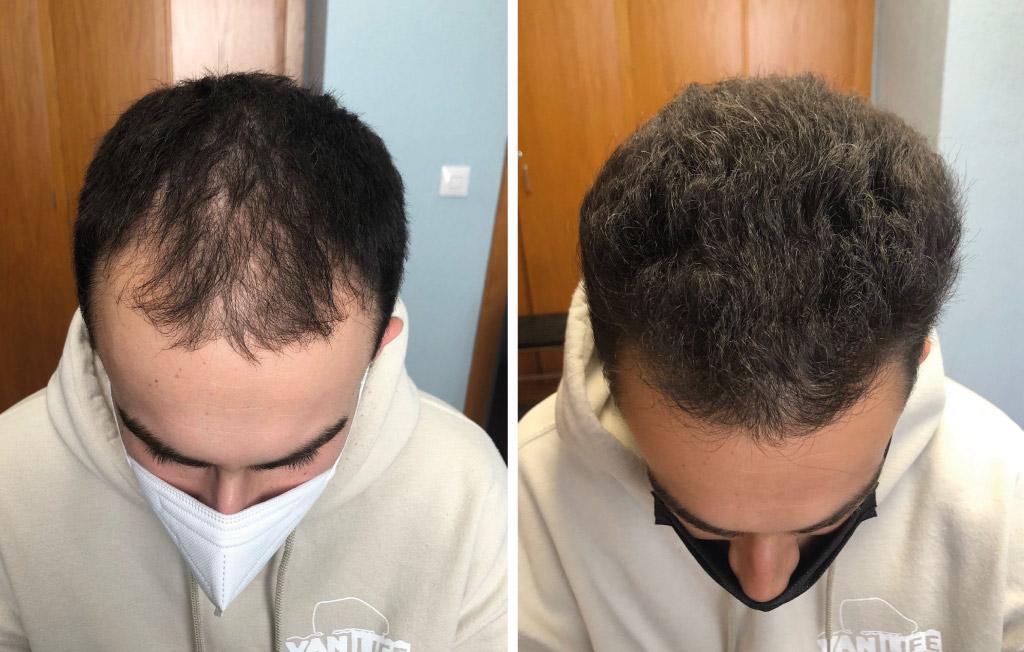
Hair Loss in Young Adults: Why Is It Increasing and What Can You Do About It?
Hair loss is no longer something people associate only with middle or older age. Many young adults in their 20s and 30s are noticing increased hair shedding, thinning, receding hairlines, or widening of the hair part.
While some daily hair shedding is normal, persistent or progressive hair loss in young adults should not be ignored. The good news is that many causes of hair loss can be identified and treated, particularly when treatment is started early.
What Is Considered Normal Hair Shedding?
It is normal to lose some hair every day as part of the natural hair-growth cycle. However, noticeable changes such as excessive shedding, reduced hair density, a widening part, or a receding hairline may indicate an underlying problem.
The important question is not simply “How much hair am I losing?” but also “Is my hair becoming thinner over time?”
Why Is Hair Loss Increasing Among Young Adults?
There is no single reason why a young person develops hair loss. Several factors can contribute, and sometimes more than one cause may be present.
- Genetic or Pattern Hair Loss
Androgenetic alopecia, also called male pattern hair loss or female pattern hair loss, is one of the most common causes of progressive hair thinning.
In men, it may appear as:
* Receding hairline
* Thinning at the crown
* Gradual reduction in hair density
In women, it commonly presents as:
* Widening of the central hair part
* Thinning over the crown
* Reduced overall hair density
Pattern hair loss can begin surprisingly early, even during the late teens or 20s.
- Stress and Lifestyle Factors
Young adults often experience academic pressure, demanding work schedules, inadequate sleep, emotional stress, and major lifestyle changes.
Significant physical or emotional stress can trigger telogen effluvium, a temporary form of increased hair shedding. Hair fall may become noticeable several weeks to a few months after the triggering event.
Common triggers include:
* Severe stress
* High fever or significant illness
* Surgery
* Rapid weight loss
* Crash dieting
* Poor nutritional intake
- Nutritional Deficiencies
Hair growth requires adequate nutrients. Insufficient intake or deficiency of certain nutrients may contribute to hair shedding or poor hair quality.
Depending on the individual, a dermatologist may consider evaluating factors such as:
* Iron status
* Vitamin D
* Vitamin B12
* Thyroid function
* Protein and overall nutritional intake
However, supplements should not be taken routinely without identifying an actual deficiency or an appropriate medical indication.
- Crash Dieting and Rapid Weight Loss
Extreme calorie restriction and fat diets can affect the normal hair-growth cycle.
Young adults trying to lose weight quickly may unintentionally consume inadequate amounts of protein, iron, or other essential nutrients. This can contribute to increased shedding.
A balanced diet with adequate protein and overall nutrition is important for maintaining healthy hair.
- Hormonal Conditions
Hormonal changes can contribute to hair loss in both men and women.
In women, conditions such as polycystic ovary syndrome (PCOS) may be associated with scalp hair thinning, particularly when accompanied by other hormonal symptoms.
Thyroid disorders can also contribute to hair shedding.
If hair loss occurs along with irregular periods, acne, increased facial or body hair, unexplained weight changes, or other hormonal symptoms, medical evaluation may be appropriate.
- Scalp Conditions
Problems affecting the scalp can sometimes contribute to hair shedding or hair breakage.
Examples include:
* Seborrheic dermatitis
* Psoriasis
* Fungal scalp infections
* Inflammatory scalp disorders
Persistent itching, redness, scaling, pain, or patchy hair loss should be evaluated by a dermatologist.
- Hair Care and Styling Practices
Frequent chemical treatments, excessive heat styling, tight hairstyles, and repeated pulling on the hair can cause hair shaft damage and, in some cases, contribute to traction-related hair loss.
Hair breakage is different from hair loss from the follicle, but both can make the hair appear thinner.
Hair Loss vs Hair Breakage: What Is the Difference?
This distinction is important.
Hair loss occurs when hairs are shed from the scalp or when follicles progressively produce thinner hairs.
Hair breakage occurs when the hair shaft breaks because of physical or chemical damage.
If you notice many short, broken hairs, split ends, or rough and damaged hair, breakage may be contributing to the appearance of thinning.
When Should You See a Dermatologist?
Consider seeing a dermatologist if you notice:
* Progressive thinning of the scalp
* A receding hairline
* Widening of the hair part
* Sudden or excessive shedding
* Bald patches
* Significant scalp itching, scaling, redness, or pain
* Hair loss associated with other symptoms
* Hair loss that continues for several months
Early evaluation is particularly useful for pattern hair loss because treatment is generally more effective at preserving existing follicles than trying to restore hair after advanced thinning.
How Is Hair Loss Diagnosed?
A dermatologist usually starts by taking a detailed medical and hair-loss history and examining the scalp and hair.
Depending on the pattern and suspected cause, evaluation may include:
* Scalp examination
* Dermoscopy/trichoscopy
* Hair-pull assessment when appropriate
* Blood tests when nutritional, hormonal, thyroid, or other systemic causes are suspected
* Additional investigations for unusual or patchy forms of hair loss
Not everyone with hair loss needs extensive blood testing. Investigations should be selected according to the individual’s symptoms and clinical findings.
Treatment for Hair Loss in Young Adults
Treatment depends on the underlying cause.
Treatment for Pattern Hair Loss
For androgenetic alopecia, evidence-based medical treatments can help slow progression and, in suitable patients, improve hair density.
Treatment options may include topical or oral medications, depending on the individual’s sex, age, medical history, pattern of hair loss, and risk factors.
Minoxidil is one commonly used treatment for pattern hair loss. It requires consistent use and should ideally be started after appropriate assessment.
Other treatments may be considered by a dermatologist when appropriate.
Treatment for Telogen Effluvium
When hair shedding is triggered by illness, stress, rapid weight loss, or nutritional problems, identifying and addressing the underlying trigger is important.
In many cases, the shedding gradually improves once the underlying cause has been corrected, although recovery of hair density can take time.
Treatment for Nutritional or Hormonal Causes
If a nutritional deficiency, thyroid disorder, hormonal condition, or another medical problem is identified, treatment should focus on correcting the underlying condition.
Taking multiple hair supplements without knowing the cause of hair loss is not necessarily beneficial and may sometimes be unnecessary.
Advanced Hair Restoration Treatments
Some patients may be candidates for treatments such as Growth Factor Concentrate (GFC) or hair transplantation.
Can Hair Loss in Young Adults Be Prevented?
Not every type of hair loss can be prevented, particularly genetically determined pattern hair loss. However, several healthy habits can help maintain scalp and hair health:
* Eat a balanced diet with adequate protein.
* Avoid crash diets and extreme calorie restriction.
* Manage prolonged stress.
* Maintain good sleep habits.
* Avoid frequent excessive heat and chemical treatments.
* Avoid consistently tight hairstyles.
* Treat persistent scalp conditions.
* Avoid taking supplements without an appropriate reason.
* Seek medical advice when hair thinning is progressive.
FAQs :
1. Is hair loss in your 20s normal?
Hair shedding can occur at any age, but persistent or progressive thinning in your 20s should be evaluated rather than automatically considered normal.
2. Can stress cause hair loss?
Yes. Significant physical or emotional stress can trigger telogen effluvium, which typically causes increased shedding rather than permanent baldness.
3. Can hair loss in young adults be reversed?
It depends on the cause. Some types of hair loss are temporary and may recover after the underlying trigger is corrected. Pattern hair loss can often be managed effectively, particularly when treatment begins early.
4. Does poor diet cause hair loss?
Severe calorie restriction, inadequate protein intake, and certain nutritional deficiencies can contribute to hair shedding. A balanced diet is important for healthy hair growth.
5. Does oiling stop hair loss?
Hair oils may improve hair feel and reduce dryness or friction, but they do not treat every cause of hair loss. Progressive hair thinning requires identification of the underlying cause.
6. Should I take biotin for hair loss?
Biotin supplementation is generally most useful when there is a genuine deficiency or a specific medical reason for supplementation. Taking high-dose supplements without medical advice is not a reliable treatment for unexplained hair loss.
Conclusion :
Hair loss in young adults can have many causes, ranging from genetic pattern hair loss and stress-related shedding to nutritional deficiencies, hormonal conditions, scalp disorders, and hair-care practices.
The most important step is to identify the cause rather than relying on hair oils, supplements, or home remedies alone.
If you are noticing progressive thinning, a receding hairline, widening of the part, bald patches, or persistent excessive shedding, consulting a dermatologist early can help determine the cause and start an appropriate treatment plan.
