
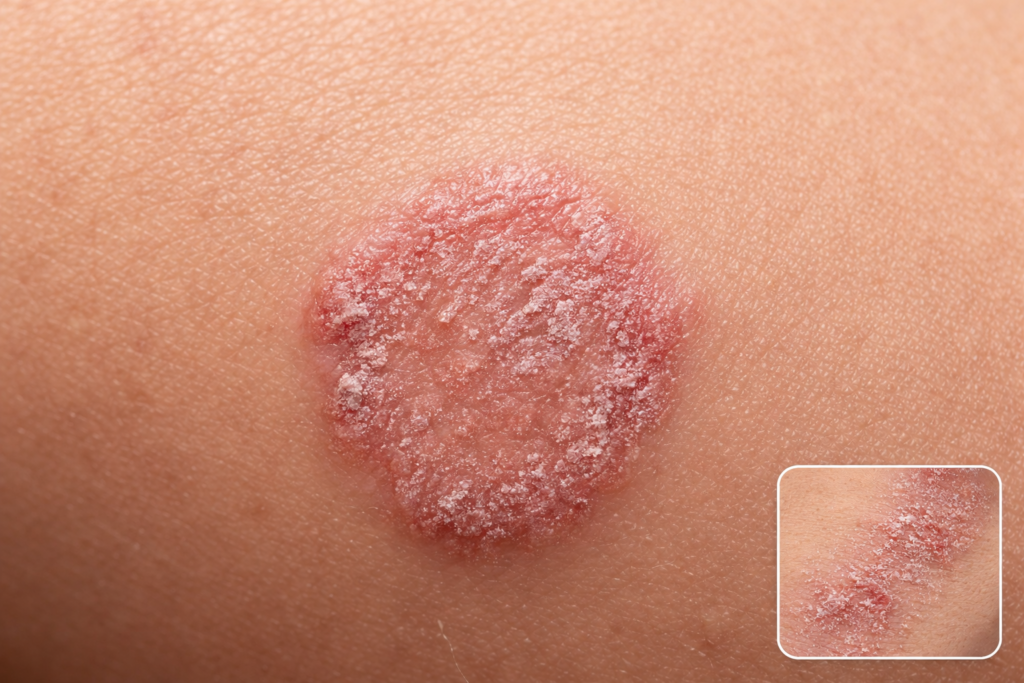
Fungal Infections: Causes, Symptoms, Treatment & Prevention
Fungal infections are among the most common skin problems seen in dermatology clinics, especially in warm and humid climates like India. These infections can affect the skin, nails, scalp, and groin area, leading to itching, rashes, and discomfort.
Although fungal infections are usually not serious, they can spread easily and become persistent if not treated properly. Understanding the causes, symptoms, and treatment options can help in managing and preventing fungal infections effectively.
1) What is a Fungal Infection?
A fungal infection occurs when fungi grow excessively on the skin, scalp, or nails. Fungi are microscopic organisms that thrive in warm and moist environments.
Normally, fungi exist on the skin without causing problems. However, when conditions such as sweating, humidity, or poor hygiene occur, they can multiply and lead to infection.
Fungal infections can spread through:
- Direct skin-to-skin contact
- Sharing towels, clothing, or footwear
- Walking barefoot in public places like gyms or swimming pools
2) Common Types of Fungal Infections
1) Ringworm (Tinea Corporis)
Ringworm is a common fungal infection that appears as circular, red, itchy patches on the skin.
Common symptoms include:
- Red circular rash with raised edges
- Itching and irritation
- Scaly or dry skin
2) Athlete’s Foot (Tinea Pedis)
Athlete’s foot affects the feet, especially between the toes.
Symptoms include:
- Itching between the toes
- Peeling or cracked skin
- Burning sensation on the feet
3) Jock Itch (Tinea Cruris)
Jock itch affects the groin and inner thighs and is common in people who sweat heavily.
Symptoms include:
- Severe itching in the groin area
- Red or dark rash
- Irritated or scaly skin
4) Nail Fungal Infection (Onychomycosis)
This infection affects the fingernails or toenails.
Common signs include:
- Yellow or white discoloration of nails
- Thickened nails
- Brittle or crumbling nails
5) Scalp Fungal Infection (Tinea Capitis)
This infection commonly affects children and the scalp.
Symptoms include:
- Scaly patches on the scalp
- Hair loss in affected areas
- Itching and redness
3) Symptoms of Fungal Skin Infections
The symptoms of fungal infections may vary depending on the affected area. However, common symptoms include:
- Persistent itching
- Red or dark skin patches
- Circular rashes with clear borders
- Peeling or cracked skin
- Burning sensation
- Thickened or discolored nails
If these symptoms persist for several days, it is advisable to consult a dermatologist.
4) Causes and Risk Factors
Several factors can increase the risk of fungal infections.
- Excessive sweating
- Hot and humid weather
- Wearing tight or synthetic clothing
- Poor personal hygiene
- Sharing towels or clothes
- Diabetes or weak immune system
- Prolonged use of steroid creams
These conditions create a moist environment that allows fungi to grow easily.
5) Treatment for Fungal Infections
Proper medical treatment is important to completely remove the fungal infection and prevent recurrence.
Common treatment options include:
1) Topical Antifungal Medications
- Antifungal creams
- Lotions or powders
- Medicated ointments
These are usually used for mild fungal infections.
2) Oral Antifungal Medicines
Doctors may prescribe antifungal tablets for:
- Severe infections
- Recurrent infections
- Nail or scalp fungal infections
3) Medicated Shampoos
These are commonly used for fungal infections affecting the scalp.
Avoid self-medication or steroid creams without medical advice, as they can worsen the infection.
6) Tips to Prevent Fungal Infections
Simple hygiene practices can help prevent fungal infections.
- Keep your skin clean and dry
- Wear loose and breathable cotton clothing
- Change socks and undergarments daily
- Avoid sharing towels, clothes, or footwear
- Dry your body properly after bathing
- Use antifungal powder if you sweat excessively
These habits can significantly reduce the risk of infection.
7) When Should You See a Dermatologist?
You should consult a dermatologist if:
- The infection spreads quickly
- Over-the-counter creams do not work
- The infection keeps recurring
- Nails or scalp are affected
- Severe itching or discomfort occurs
Early treatment can prevent complications and long-term skin damage.
8) Frequently Asked Questions (FAQs)
1) Can fungal infections spread from person to person?
Yes, fungal infections are contagious and can spread through direct contact or by sharing personal items such as towels, clothing, or shoes.
2) How long does a fungal infection take to heal?
Most mild fungal infections improve within 2 to 4 weeks with proper treatment, while nail infections may take several months to completely heal.
3) Why do fungal infections keep coming back?
Recurrent fungal infections may occur due to:
- Incomplete treatment
- Excessive sweating
- Wearing tight clothing
- Poor hygiene
- Underlying conditions like diabetes
4) Are home remedies effective for fungal infections?
Home remedies may give temporary relief but usually do not completely cure fungal infections. Proper medical treatment is recommended.
5) Is it safe to use steroid creams for fungal infections?
Using steroid creams without medical supervision can worsen fungal infections and make them more difficult to treat. Always consult a dermatologist before using such medications.
9) Conclusion :
Fungal infections are common skin conditions, particularly in warm and humid climates. While they are usually treatable, ignoring symptoms or using improper medications can lead to chronic or recurring infections.
Recognizing the early signs and seeking timely treatment from a dermatologist can help you recover quickly and prevent future infections.
Maintaining good hygiene, wearing breathable clothing, and keeping the skin dry are simple but effective ways to reduce the risk of fungal infections.
